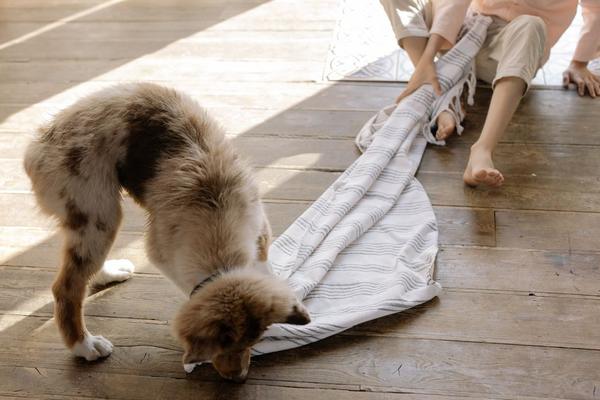

If your Instagram or TikTok feed has been flooded with dogs solving puzzles, sniffing out hidden treats, or “shopping” for their own toys, you’re witnessing one of the biggest pet trends of 2026: dog enrichment. What started as a niche training concept has exploded into a full-blown movement, and for good reason. A tired dog isn’t always a happy dog, but a mentally stimulated one usually is. The good news? You don’t need a training studio or a shelf full of expensive gear to give your dog a richer, more engaged life. Most of the best dog enrichment activities at home use items you already own, plus a little creativity.
Below are 20 practical, vet-and-trainer-approved ways to bring more mental stimulation for dogs into your daily routine, whether you’ve got ten minutes or an entire rainy afternoon.
Why Dog Enrichment Matters More Than Ever
Enrichment isn’t just about entertainment. It taps into a dog’s natural instincts to forage, problem-solve, and use their senses, which can reduce boredom-driven behaviors like excessive barking, chewing, or digging. Many trainers now consider 15-20 minutes of enrichment to be just as tiring for a dog as a long walk, since mental work burns energy differently than physical exercise. That’s a big part of why enrichment has caught on so widely this year: pet parents are realizing that a walk alone doesn’t always cut it for a bored, understimulated dog.
Puzzle Feeders and Food-Based Games
Mealtime is one of the easiest places to sneak in enrichment, and it costs nothing extra since your dog is eating anyway.
1. Use a Puzzle Feeder Instead of a Bowl
Puzzle feeders slow down eating and force your dog to think their way to each piece of kibble. Sliding compartments, spinning discs, and lift-the-flap designs are all widely available and range from beginner-friendly to genuinely challenging.
2. Freeze a Stuffed Kong
Fill a rubber toy with wet food, peanut butter, or plain yogurt, then freeze it. The extended thaw time turns a five-minute snack into a 30-minute project.
3. Try a Snuffle Mat
A snuffle mat hides kibble in fabric strips, encouraging your dog to use their nose instead of their eyes to find food. It’s a gentle introduction to scent games for dogs and works well for anxious or food-motivated pups.
4. Muffin Tin Game
Drop treats into the cups of a muffin tin and cover each one with a tennis ball. Your dog has to remove the balls one by one to get the reward.
5. DIY Cardboard Box Puzzle
Stack a few empty boxes, hide treats inside, and loosely tape them shut. It’s low-cost, fully customizable, and easy to make harder as your dog gets better at it.
Scent Games for Dogs
Dogs experience much of the world through smell, and scent work taps directly into that instinct. It’s also one of the most tiring activities you can offer, often more mentally draining than a walk around the block.
6. Hide and Seek With Treats
Hide small treats around a room while your dog waits in another. Release them and let their nose do the work.
7. The Three-Cup Game
Place a treat under one of three cups and shuffle them slightly. Let your dog sniff out the correct cup before rewarding them.
8. Scented Nature Walks Indoors
Bring the outdoors in by scattering a few pine cones, leaves, or grass clippings around a room for your dog to investigate. Novel scents are enough to spark curiosity even in a familiar space.
9. Introduce a “Find It” Cue
Teach a simple “find it” command paired with treat scatter games. Once your dog understands the cue, you can use it anywhere, anytime, as an instant enrichment boost.
Brain Games and Training-Based Enrichment
Training sessions double as enrichment when they’re framed as games rather than drills.
10. Teach a New Trick
Learning something new, whether it’s “spin,” “shake,” or a more advanced behavior, requires focus and problem-solving, both of which tire out the brain.
11. Practice Impulse Control Games
Simple games like “leave it” or “wait” build self-control and give your dog a job to focus on.
12. Name Their Toys
Dogs can learn to associate specific words with specific toys. Practicing “get the ball” versus “get the rope” is a fun way to build vocabulary and engagement.
13. Set Up an Obstacle Course
Use household items like chairs, cushions, and boxes to create a mini agility course. Guide your dog through with treats and praise.
Sensory and Physical Enrichment
Enrichment doesn’t have to be purely mental. Engaging different senses and movement patterns counts too.
14. Create a Digging Box
Fill a shallow box or bin with soil, sand, or shredded paper and bury a few toys inside. This gives dogs an appropriate outlet for a very natural behavior.
15. Offer Different Textures
Let your dog explore surfaces like bubble wrap, a kiddie pool with a few inches of water, or a pile of soft blankets. New textures underfoot are surprisingly stimulating.
16. Play Tug With Rules
Structured tug, with clear start and stop cues, builds engagement and is more mentally involved than dogs simply chewing alone.
17. Try a Lick Mat
Spread wet food, mashed pumpkin, or plain yogurt across a textured lick mat. The repetitive licking motion is calming and great for anxious dogs.
Social and Relaxation-Based Enrichment
Not every enrichment activity needs to be high-energy. Some of the most valuable sessions are quiet ones.
18. Practice Calm Settling
Reward your dog for lying calmly on a mat or bed while you go about your day. This teaches self-regulation, which is its own form of mental work.
19. Rotate Toys Weekly
Instead of leaving every toy out all the time, rotate a smaller selection in and out weekly. Novelty alone makes old toys feel new again.
20. Give Chew Time
Safe, appropriate chews like bully sticks or rubber chew toys satisfy a natural urge and can be surprisingly effective at settling a restless dog.
Getting Started Without Overwhelm
You don’t need to try all 20 activities in one week. Pick two or three that fit your dog’s personality and your schedule, then build from there. A food-motivated dog might love puzzle feeders and lick mats, while a scent hound will likely light up during hide-and-seek games. Pay attention to what actually tires your dog out mentally, not just physically, and let that guide which activities become regular fixtures in your routine.
Frequently Asked Questions
How often should I do enrichment activities with my dog?
Most trainers recommend some form of enrichment daily, even if it’s just a 10-15 minute puzzle feeder session or a quick scent game before a walk.
Can enrichment activities replace physical exercise?
Enrichment complements exercise rather than replacing it entirely. However, on days when a full walk isn’t possible, a solid enrichment session can still meaningfully tire out your dog.
What’s the easiest enrichment activity for a beginner dog owner to try first?
A frozen stuffed Kong or a simple snuffle mat are great starting points. They require no training and almost every dog engages with them instantly.
Is dog enrichment only necessary for high-energy breeds?
No. Mental stimulation for dogs benefits every breed and age, including senior dogs and low-energy breeds, since it supports cognitive health as much as behavior.
Enrichment doesn’t have to be complicated or expensive to make a real difference. A few intentional minutes a day, whether it’s a puzzle feeder at breakfast or a quick round of hide-and-seek before bed, can meaningfully improve your dog’s mood, focus, and overall wellbeing. Start small, watch what lights your dog up, and let their reactions guide where you take it from here.