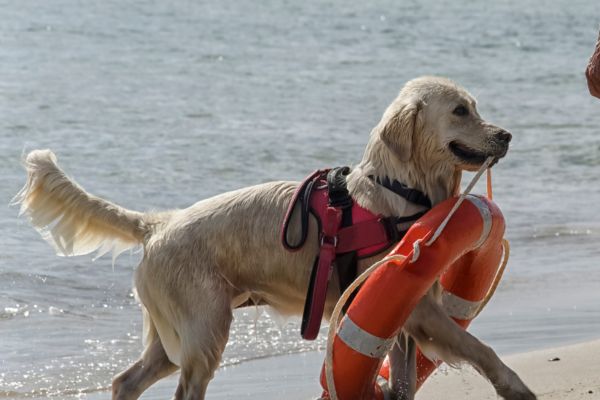

Animal rescue stories often begin in difficult places. A dog waits beside an abandoned building. A sea turtle struggles in plastic waste. A horse is found weak after years of neglect. Somewhere nearby, a person notices, stops, and decides not to walk away.
That moment of attention can change everything.
Across cities, villages, forests, coastlines, and disaster zones, animals are rescued every day by volunteers, veterinarians, firefighters, wildlife specialists, and ordinary people who simply choose to help. Some rescues are dramatic, involving floods, fires, or dangerous terrain. Others are quiet and almost invisible, unfolding over weeks through food, patience, medical care, and trust.
The most inspiring animal rescue stories are not only about survival. They also reveal courage, cooperation, and the remarkable ability of animals to recover after fear and hardship.
A Street Dog Learns to Trust Again
In many parts of the world, stray dogs live close to busy roads, crowded markets, and residential neighborhoods. Some adapt well enough to survive, while others suffer from injuries, hunger, illness, or abuse.
A common rescue story begins with a dog that refuses to approach people. Perhaps it has been chased away too many times or treated cruelly in the past. Rescuers may spend days leaving food at a safe distance before the animal allows anyone closer.
Progress often comes slowly. The dog may hide, tremble, or growl when touched. Veterinary treatment can address wounds and infections, but emotional recovery takes longer. A quiet room, regular meals, gentle voices, and predictable routines begin to create a sense of safety.
Then something changes. The dog makes eye contact. It accepts a hand near its face. One day, its tail moves slightly.
These small moments can feel more powerful than a dramatic rescue scene. They show that trust, once damaged, can sometimes be rebuilt through consistency rather than force.
Wildlife Saved From Plastic and Fishing Gear
Oceans and rivers are full of animals that become trapped in human waste. Seals, dolphins, turtles, seabirds, and fish can be injured by discarded nets, fishing lines, hooks, plastic rings, and packaging.
Wildlife rescue teams often work under difficult conditions. An entangled animal may be frightened, exhausted, and dangerous to approach. Rescuers need to act quickly while avoiding further stress or injury.
Sea turtles are frequently found with plastic wrapped around their flippers or lodged inside their digestive systems. Birds may be discovered unable to fly because fishing line has tightened around their wings. Seals can suffer deep wounds when loops of plastic become embedded as they grow.
Successful rescues usually involve more than simply cutting away the material. Animals may need surgery, antibiotics, rehabilitation, and time to regain strength before they can return to the wild.
Their release is often the most emotional part. After weeks or months of care, the animal moves toward open water and disappears from view. It is a brief moment, but it carries a larger message about how human waste reaches places we may never see.
Animals Rescued During Floods and Storms
Natural disasters place animals at enormous risk. Floodwaters can separate pets from their families, destroy shelters, and trap livestock in fields or buildings. Storms may leave wildlife displaced, injured, or without food.
During floods, rescue workers sometimes travel by boat through neighborhoods where dogs wait on rooftops and cats cling to windows or tree branches. Farm animals may be found standing in deep water with no safe path to higher ground.
These rescues require cooperation. Emergency teams, animal welfare groups, local residents, and veterinarians often work together, using boats, crates, ropes, and temporary shelters.
Not every animal can be identified immediately. Some pets have no tags or microchips, while others are too frightened to be handled. Temporary rescue centers become crowded with animals waiting for treatment and, hopefully, reunion.
The moment a family recognizes a missing pet can be unforgettable. After days of uncertainty, a familiar voice cuts through the noise, and the animal responds. For both sides, the reunion is a return to something that felt lost.
A Neglected Horse Finds a New Life
Large-animal rescues can be especially complex. Horses, donkeys, and farm animals require space, transport, specialized medical care, and experienced handling.
A neglected horse may be found with overgrown hooves, untreated injuries, poor teeth, or severe weight loss. Recovery cannot happen too quickly. Feeding an extremely weak animal must be carefully managed, and physical rehabilitation may take months.
The emotional side can be just as challenging. Horses that have experienced rough treatment may react strongly to ropes, sudden movements, or unfamiliar people. Rescuers must learn what causes fear and build trust step by step.
Over time, the animal’s body changes. Its coat becomes healthier, its posture improves, and it begins moving with more confidence. Sometimes the first sign of recovery is not dramatic at all. It may be the horse choosing to approach a person rather than moving away.
Many rescued horses later live in sanctuaries or carefully selected homes. Their transformation is a reminder that neglect can be reversed, though never without time, resources, and patient care.
Orphaned Wildlife Returned to the Wild
Young wild animals can become orphaned when their mothers are killed, injured, or separated from them. Elephants, bears, primates, birds, and other species may need human support to survive.
Raising orphaned wildlife is far more complicated than caring for a domestic animal. Rescuers must provide food and protection without allowing the animal to become too dependent on people. The goal is usually release, not permanent captivity.
Young elephants, for example, may need milk, companionship, physical contact, and constant supervision. They form strong social bonds and can show signs of grief and anxiety after losing their family groups.
Wildlife carers often act as temporary guardians while encouraging natural behavior. As the animals grow, they are gradually introduced to larger environments and members of their own species.
A successful return to the wild may take years. When it finally happens, the animal is not simply released and forgotten. Many programs continue to observe its progress from a distance, watching for signs that it has adapted and joined a stable group.
Small Rescues That Change Everyday Lives
Not every rescue receives public attention. Many happen in kitchens, gardens, roadsides, and apartment buildings.
A family may find an injured bird and contact a wildlife rehabilitator. A driver may stop traffic to move a turtle safely across the road. A neighbor may notice that an elderly person’s pet has been left without care.
These acts seem small, but they matter deeply to the animal involved.
Community-based rescue often depends on observation. Animals cannot explain what happened to them, so people must notice changes in behavior, visible injuries, hunger, or unsafe conditions.
Sometimes helping means direct action. At other times, it means contacting someone with the right experience instead of trying to handle a frightened or injured animal alone.
The best outcome is not always adoption. It may be medical treatment, release, reunion with an owner, or transfer to a specialist facility. Rescue is about meeting the animal’s actual needs rather than creating the most emotionally satisfying story for humans.
The Emotional Reality Behind Rescue Work
Animal rescue stories are inspiring, but the work itself can be exhausting. Rescuers regularly encounter suffering, limited resources, difficult decisions, and cases that do not end well.
Compassion fatigue is common among people who repeatedly care for abused, sick, or abandoned animals. They may feel guilt when there is not enough space, funding, or time to help every animal.
This reality does not lessen the value of rescue. It shows why communities, shelters, veterinary teams, and foster networks need support and cooperation. One person may begin a rescue, but long-term recovery often depends on many hands.
The joyful endings matter. So do the quieter efforts that prevent suffering, improve conditions, and give an animal comfort even when complete recovery is impossible.
What Rescue Stories Teach Us
The most memorable animal rescue stories are not fairy tales. They involve fear, uncertainty, setbacks, and difficult choices. Yet they also show what can happen when compassion becomes action.
A rescued animal may never understand the full chain of events that saved its life. It only experiences the result: food after hunger, warmth after cold, movement after confinement, or gentleness after fear.
These stories also challenge people to pay attention. They remind us that suffering often exists close by, hidden behind fences, beneath water, along roadsides, or inside ordinary homes.
Rescue begins with noticing, but it should not end there. Prevention matters too. Responsible pet ownership, safer waste disposal, stronger animal protection, habitat conservation, and humane community planning can reduce the number of animals that need saving in the first place.
Hope Found in the Act of Helping
Animal rescue stories stay with us because they show that terrible circumstances are not always final. An injured animal can heal. A frightened animal can learn to trust. A lost pet can return home. A wild creature can recover and disappear back into the landscape where it belongs.
The people involved may come from different cultures, professions, and backgrounds, yet their actions are connected by the same belief: an animal’s suffering is worth responding to.
Not every rescue changes the world. Most change one life.
But for the animal that receives safety, care, and another chance, that one life is the whole world.