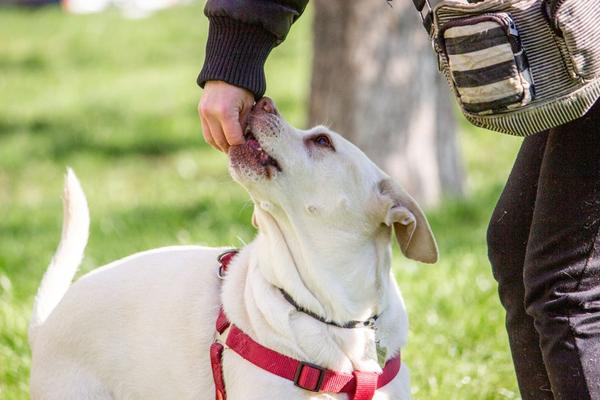

Walk into any dog park in 2026 and you’ll hear the same phrase over and over: “good boy!” followed by a treat, a click, or an enthusiastic scratch behind the ears. That’s not a coincidence. Force-free training methods have quietly taken over as the go-to approach for professional trainers, veterinary behaviorists, and everyday dog owners alike. The shift away from dominance-based, correction-heavy techniques has been building for years, but it’s reached a tipping point. If you’re wondering why positive reinforcement dog training keeps showing up at the top of every trainer’s recommendation list, this guide breaks down exactly how it works and how you can start using it today.
What Is Positive Reinforcement Dog Training?
At its core, positive reinforcement means adding something your dog wants immediately after they do something you like. That could be a treat, a toy, praise, or access to a fun activity like going outside. The dog learns that a specific behavior leads to a specific reward, and over time, they repeat that behavior more often because it’s working in their favor.
This is different from punishment-based training, which relies on discomfort, fear, or correction to stop unwanted behavior. Positive reinforcement flips the script entirely: instead of punishing the dog for getting it wrong, you reward them for getting it right. It’s a subtle shift in mindset, but it changes everything about how the dog experiences training.
The Science Behind Reward-Based Training
Reward-based training isn’t just a trendy buzzword; it’s rooted in operant conditioning, a well-documented principle of behavioral psychology. When a behavior is followed by a positive consequence, that behavior becomes more likely to happen again. Dogs, like most animals, are wired to repeat actions that pay off. Give a dog a reason to sit calmly at the door, and they’ll start offering that behavior on their own, without you needing to ask twice.
What makes this approach so effective is timing. The reward needs to come quickly enough that the dog can connect it to the specific action they just performed. Wait too long, and the dog might associate the treat with something else entirely, like sniffing the floor or looking at you expectantly.
Why Force-Free Training Is Dominating in 2026
Trainer recommendations and search interest have both moved firmly in one direction: away from choke chains, alpha rolls, and shock collars, and toward force-free training that prioritizes trust and communication. Several factors are driving this trend.
First, the research keeps piling up. Studies consistently show that punishment-based methods increase stress and anxiety in dogs, which can actually make behavioral problems worse over time. A dog that’s afraid of being corrected may become more reactive, more unpredictable, or more prone to shutting down entirely.
Second, positive reinforcement simply produces more reliable results. A dog trained through reward-based methods tends to offer behaviors willingly because they’ve learned it benefits them, not because they’re avoiding a negative outcome. That distinction matters enormously when you’re trying to build a dog that listens even when you’re not holding a leash or a treat pouch.
Clicker Training: A Cornerstone of Positive Reinforcement
If you’ve spent any time researching reward-based methods, you’ve probably come across clicker training. The concept is simple but powerful. A clicker is a small handheld device that makes a distinct clicking sound. You click the exact moment your dog performs the desired behavior, then follow it with a treat.
The click itself doesn’t reward the dog directly. Instead, it acts as a bridge, marking the precise instant the dog did something right, even if the treat takes a second or two to arrive. This precision helps dogs understand exactly which action earned the reward, which speeds up learning considerably.
Clicker training works especially well for teaching new behaviors from scratch, like shaping a dog to spin in a circle or touch a target with their nose. Because the click is consistent and unambiguous, dogs tend to pick up on the pattern quickly.
Getting Started With a Clicker
Before you use the clicker to teach specific commands, spend a day or two “charging” it. Click once, then immediately give a treat. Repeat this ten or fifteen times in a row, several times a day, until your dog starts associating the sound with something good. Once that connection is solid, you can start using the clicker to mark actual behaviors during training sessions.
How to Start Using Positive Reinforcement at Home
You don’t need a professional trainer or fancy equipment to begin. Here’s a practical starting point for anyone new to force-free training.
1. Choose High-Value Rewards
Not all treats are created equal in your dog’s mind. Small, soft, high-value treats (think shredded chicken or freeze-dried liver) tend to work better than dry biscuits, especially in distracting environments. Save the best rewards for the hardest tasks.
2. Keep Sessions Short and Positive
Dogs learn best in short bursts of five to ten minutes rather than long, drawn-out sessions. End on a success, even a small one, so your dog associates training time with confidence rather than frustration.
3. Be Consistent With Timing and Cues
Whether you’re using a clicker or a verbal marker like “yes,” the timing of your reward needs to be immediate and consistent. Pick one word or sound and stick with it across the whole household so your dog isn’t getting mixed signals.
4. Ignore or Redirect Unwanted Behavior
Rather than punishing mistakes, force-free training encourages you to redirect your dog toward a better choice and reward that instead. If your dog jumps up for attention, turn away and reward the moment all four paws are back on the ground.
5. Gradually Fade Out Treats
Once a behavior is reliable, you can start reducing how often you reward with food, replacing it with praise or occasional treats instead. This keeps the behavior strong without making your dog dependent on a treat pouch forever.
Frequently Asked Questions
Does positive reinforcement training actually work for stubborn dogs?
Yes. What looks like stubbornness is often a dog that hasn’t found the reward valuable enough or clear enough to bother responding. Adjusting the reward’s value and improving timing usually resolves the issue faster than switching to correction-based methods.
How long does it take to see results with reward-based training?
Many dogs show noticeable improvement within the first week or two of consistent, short training sessions. Complex behaviors or deeply ingrained habits can take longer, but progress tends to be steady and lasting.
Is clicker training necessary, or can I just use my voice?
A clicker isn’t mandatory. A consistent verbal marker like “yes” can work just as well, as long as you’re precise with timing. The clicker simply offers a sharper, more distinct sound that some dogs and owners find easier to work with.
Will my dog always need treats to behave well?
No. Treats are most useful while a behavior is being learned. Once it’s established, you can shift to intermittent rewards and praise, which actually strengthens the behavior over time rather than weakening it.
Final Thoughts
Positive reinforcement dog training isn’t just a passing trend; it’s backed by decades of behavioral science and an ever-growing list of trainers who’ve seen the results firsthand. Whether you lean on clicker training, simple reward-based routines, or a mix of both, the underlying principle stays the same: dogs learn best when training feels like a partnership, not a power struggle. Start small, stay consistent, and you’ll likely find that force-free training builds a relationship with your dog that goes far beyond just following commands.