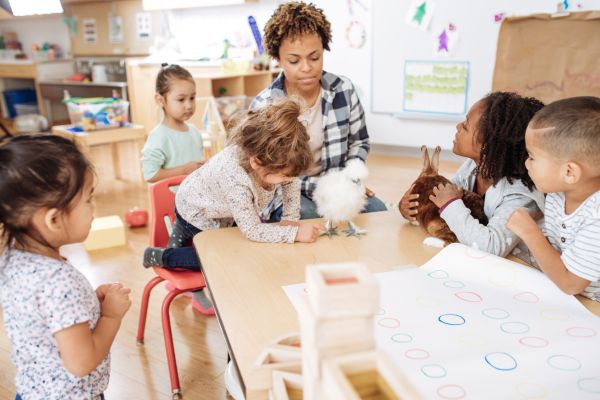

A classroom has its own little rhythm. There is the shuffle of chairs, the scratch of pencils, the quick whisper before a lesson begins, and the sudden silence when something truly catches everyone’s attention. Add a living creature to that space, even something as small as a fish or a calm little hamster, and the room can feel different. Softer, somehow. More alive.
Pets in the classroom can offer children a close-up connection with responsibility, empathy, science, and daily care. They are not just “cute extras” sitting in the corner. When introduced thoughtfully, a classroom pet can become part of the learning environment in a quiet but meaningful way. Children begin to notice needs beyond their own. They see that living things depend on routine, gentleness, patience, and respect.
Still, classroom pets require careful planning. A pet should never be brought into school simply because children like animals. The right setup, the right species, and the right expectations all matter. A classroom pet can be a wonderful experience, but only when the animal’s welfare and the children’s safety are taken seriously.
Why Classroom Pets Capture Children’s Attention
Children are naturally curious about animals. A turtle slowly lifting its head, a fish gliding through water, or a guinea pig nibbling hay can hold a child’s attention in a way few worksheets can. Animals invite children to observe, ask questions, and slow down.
This kind of attention is valuable. In a busy school day, children often move quickly from one subject to the next. A classroom pet gives them a reason to pause and look closely. What does the animal eat? When does it sleep? How does it move? Why does it hide sometimes? These simple questions can lead into lessons about habitats, biology, behavior, and care.
Even children who are usually quiet may open up around animals. A child who hesitates to speak in a group might feel comfortable describing what the class fish is doing or helping remind others that the hamster needs a calm voice nearby. Small moments like these can build confidence.
Building Empathy Through Daily Care
One of the strongest benefits of pets in the classroom is the way they teach empathy. Children learn that animals have needs that must be respected. They need clean water, proper food, a safe space, and gentle handling if handling is appropriate at all.
This is a different kind of learning from simply being told to “be kind.” A classroom pet makes kindness visible. If the animal is sleeping, children learn not to disturb it. If it seems nervous, they learn to step back. If its habitat needs cleaning, they see that care includes ordinary tasks, not just fun moments.
Over time, these lessons can shape how children relate to others too. They begin to understand that different living beings have different comfort levels. Some want space. Some need quiet. Some need regular attention. That awareness can support emotional growth in a very natural way.
Responsibility That Feels Real
Children are often asked to be responsible, but responsibility can feel abstract until it is connected to something real. A classroom pet changes that. Feeding schedules, water checks, habitat cleaning, and observation routines help children understand that care happens every day, not only when someone feels like doing it.
Of course, the adult must remain fully responsible for the animal. Children can help, but the teacher should guide every task and make sure nothing is missed. Younger children might observe and report whether the water bowl looks low. Older children may take turns recording feeding times or helping with safe cleaning routines.
The beauty of this responsibility is that it feels meaningful. Children are not just completing a job for a sticker or a grade. They are helping a living creature stay healthy and comfortable. That can make the lesson stay with them longer.
A Natural Doorway Into Science Lessons
Classroom pets can make science feel less distant. Instead of only reading about animal needs, children can see them in front of them. They can learn about food chains, body structures, habitats, life cycles, temperature needs, and animal behavior through observation.
A fish tank, for instance, can lead to conversations about water quality and ecosystems. A snail can introduce movement, moisture, and adaptation. A guinea pig can help children learn about mammals, diet, and social behavior. Even a simple ant farm or worm habitat can make soil, decomposition, and cooperation easier to understand.
The important thing is to keep lessons accurate and age-appropriate. Children should not be encouraged to treat the animal like an experiment. Observation is different from interference. A classroom pet should be respected as a living being, not used as a prop.
Choosing the Right Classroom Pet
Not every animal belongs in a classroom. Some animals are too fragile, too noisy, too sensitive to stress, or too difficult to care for properly in a school setting. The best classroom pets are usually calm, low-stress animals whose needs can be met consistently.
Teachers need to consider space, noise, temperature, allergies, school rules, weekend care, vacation care, cleaning routines, and veterinary needs. It is also important to think about the animal’s natural behavior. Some animals sleep during the day, which may disappoint children if they expect constant activity. Others dislike being touched, even if they look friendly.
A classroom pet should be chosen for its welfare first. If the classroom cannot provide a stable, healthy environment, it is better to explore alternatives such as visiting animal programs, observation videos, nature journals, or school garden habitats.
Health, Safety, and Allergies Matter
Before bringing pets in the classroom, teachers and school leaders should think carefully about health and safety. Some children may have allergies, asthma, immune system concerns, or fears around animals. Families should be informed, and school policies should be followed closely.
Handwashing is essential after any contact with an animal, its food, or its habitat. Children should be taught not to put their fingers near their mouths after touching animal-related items. Food areas should be kept separate from animal care areas. The pet’s enclosure should be secure, clean, and placed somewhere calm.
Handling should be limited and closely supervised. In many cases, looking is better than touching. Children can still bond with a classroom pet by observing, speaking softly, drawing it, or helping with simple care tasks. Physical contact is not always necessary for connection.
Creating Calm Rules Around the Animal
A classroom pet needs a peaceful environment. Children may feel excited at first, which is understandable, but the animal should not be surrounded by loud voices, tapping fingers, or sudden movements. Clear classroom expectations help protect both the pet and the students.
Instead of presenting rules as a list of restrictions, teachers can explain them through kindness. The animal hears loud sounds differently. The animal may feel scared if too many people crowd around. The animal needs rest, just like children do. When children understand the reason behind a rule, they are more likely to follow it.
Over time, these routines become part of the classroom culture. Children learn to lower their voices near the enclosure, wait their turn to observe, and notice the animal’s body language. That calm awareness is a lesson in itself.
Weekend and Holiday Care Should Be Planned Early
One of the most overlooked parts of having pets in the classroom is care outside school hours. Animals still need food, water, cleaning, temperature control, and attention when the classroom is empty. Weekends, school breaks, holidays, and unexpected closures all need a plan.
Teachers should not assume that a student’s family can take the pet home without preparation. Transport can be stressful for animals, and not every home is suitable. Some schools may have staff care plans, while others may decide that classroom pets are not practical for this reason.
Planning ahead prevents last-minute problems. It also models responsible pet ownership for children. Caring for an animal means thinking beyond the fun parts and preparing for the ordinary, ongoing needs that come with life.
When a Classroom Pet Is Not the Best Choice
Sometimes, the kindest decision is not to have a classroom pet at all. If the room is too noisy, the schedule too unpredictable, or the care plan too weak, an animal may become stressed. That does not mean children must miss out on animal learning.
Teachers can create rich animal-themed experiences through books, nature walks, wildlife cameras, guest speakers, outdoor observation, and student research projects. A butterfly garden outside the classroom or a bird-watching station near a window can also teach children about living things without placing an animal in a stressful indoor environment.
This is an important message for children too. Loving animals means thinking about what is best for them, not only what we want.
A Thoughtful Classroom Companion
Pets in the classroom can bring warmth, curiosity, and gentle responsibility into a child’s school day. They can help students become better observers, kinder classmates, and more thoughtful caretakers. A small animal in a well-planned classroom can teach lessons that feel simple on the surface but go surprisingly deep.
The best classroom pet experiences are built on respect. The animal is not there for constant entertainment. It is a living creature with needs, habits, and limits. When children learn that, they gain more than a fun memory. They begin to understand care as something steady and real.
Handled wisely, a classroom pet can turn ordinary moments into lasting lessons. A child watching quietly, filling a water dish, or noticing that an animal needs rest is learning compassion in its most practical form. And that may be one of the most valuable lessons a classroom can offer.