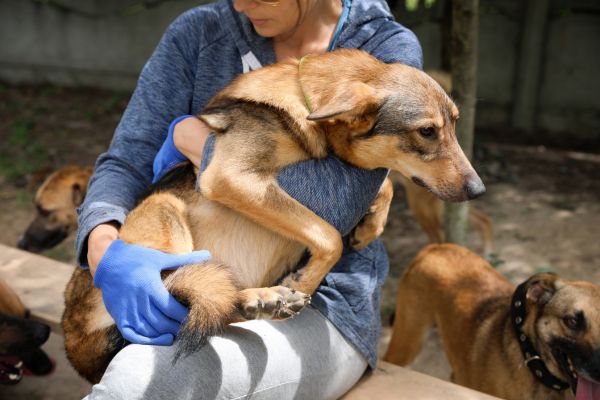

Animal rescue volunteering is often imagined as a world of happy endings: wagging tails, purring cats, tearful adoptions, and animals carried gently into safer lives. Those moments do happen, and they are unforgettable. But anyone who has spent time around rescue work knows the full story is quieter, messier, and far more human than that.
The most meaningful animal rescue volunteering stories are not always dramatic. Sometimes they begin with a cardboard box left outside a clinic. Sometimes with a nervous dog hiding under a parked car. Sometimes with a volunteer sitting on the floor for an hour, waiting for a frightened cat to blink first. These stories stay with people because they show what compassion looks like when it is practical, tired, patient, and still willing to show up again the next day.
The Puppy Who Learned to Trust Hands Again
One volunteer once described her first rescue shift as “mostly cleaning, mostly listening.” She had expected to walk dogs and cuddle puppies. Instead, she spent the morning washing bowls, folding towels, and watching a small brown puppy refuse to come out from behind a crate.
The puppy had been found near a roadside with his siblings, but he was the most fearful of the litter. Whenever someone reached toward him, he pressed himself flat against the wall. He did not bark or bite. He simply disappeared into himself.
For several days, the volunteer did not try to pick him up. She sat nearby while cleaning, speaking softly without expecting a response. She placed food close enough for him to smell but far enough that he did not feel trapped. At first, he waited until she left. Then, one afternoon, he took a bite while she was still sitting there.
That tiny moment felt larger than it looked. A week later, he allowed her to touch his shoulder. A few days after that, he leaned into her hand. By the time he was ready for adoption, he was still shy, but he no longer trembled at every movement.
Stories like this remind volunteers that rescue is not always about saving an animal in one grand gesture. Sometimes rescue is teaching an animal that a human hand can be gentle.
The Street Cat Who Chose Her Own Timeline
Cats often write their own rescue stories. They do not care about human schedules, adoption plans, or how many times someone has tried to help them. One elderly street cat proved exactly that.
She had lived behind a row of shops for years. Everyone knew her. Some people fed her, some ignored her, and a few complained when she slept near their doorways. A rescue volunteer noticed that one of her ears looked infected and that she had started losing weight. Catching her, however, was not simple.
For nearly two weeks, the volunteer visited at the same time each evening. She brought food, sat at a distance, and watched. The cat would appear only after the volunteer backed away. If anyone moved too quickly, she vanished.
Eventually, with the help of a humane trap and a great deal of patience, the cat was brought to a vet. She needed treatment, dental care, and a quiet recovery space. At first, she wanted nothing to do with indoor life. She hid behind a cupboard and came out only at night. But little by little, comfort did its quiet work. Warm bedding, regular meals, and pain relief changed her.
Months later, she still was not a lap cat. She did not become the sort of animal who greeted strangers with charm. But she chose one corner of the sofa, accepted chin scratches from one trusted person, and slept without one eye open.
This is one of those animal rescue volunteering stories that does not fit a perfect fairy-tale shape. The cat was not transformed into something she was not. She was simply given safety, health, and the right to grow old in peace.
The Dog No One Noticed at First
In every shelter, there are animals who draw attention quickly. Puppies, unusual breeds, playful kittens, and friendly dogs often find homes first. Then there are the quiet ones, the older ones, the animals who sit at the back of the kennel and seem to blend into the walls.
One volunteer remembered a black senior dog who had been passed over for months. He was gentle, but he did not perform for visitors. When people walked by, he rarely jumped or barked. He simply watched them with tired eyes, as if he had already learned not to expect too much.
The volunteer began taking him on slow walks. He moved stiffly at first, stopping often to smell the grass. He loved shade, soft treats, and being spoken to in a calm voice. There was nothing flashy about him, but there was something deeply steady.
To help people see him, the volunteer started writing short notes about his personality for the shelter board. She described how he waited politely at doors, how he leaned softly against someone’s leg when he trusted them, how he seemed happiest when the world was quiet. Those details mattered. They helped visitors understand him not as “an old black dog,” but as an individual.
Eventually, a retired couple came in looking for a calm companion. They were not interested in a puppy. They wanted a dog who would enjoy peaceful walks and long naps. The senior dog went home with them, and the volunteer cried in the parking lot after they left.
Not every rescue story is about speed. Some are about making sure overlooked animals are seen clearly.
The Night Shift That Changed Everything
Animal rescue does not happen only during convenient hours. Emergencies arrive late at night, during storms, before work, after dinner, and on days when everyone is already exhausted.
A small rescue team once received a call about kittens trapped in a drain after heavy rain. By the time volunteers arrived, it was dark, wet, and cold. The mother cat hovered nearby, too frightened to come close but too worried to leave. The kittens could be heard crying below.
The rescue took hours. Volunteers used flashlights, towels, food, and careful hands. They had to move slowly because one wrong motion could push the kittens deeper into danger. By the end, everyone was soaked and muddy. One volunteer had scratches on her wrist. Another had missed a family dinner. No one looked heroic. They looked tired.
But the kittens survived. The mother cat was later trapped safely, treated, and reunited with them. Weeks later, the kittens were healthy, round-bellied, and playful in foster care.
Rescue work is full of these unseen nights. There are no crowds watching, no applause, and sometimes not even a good photo. Yet for the animals involved, that one night is everything.
The Foster Home That Became a Bridge
Fostering is one of the most emotional parts of rescue volunteering. It means welcoming an animal into your home, loving it, helping it heal, and then letting it go when the right adopter appears. People often say they could never foster because saying goodbye would hurt too much. Foster volunteers usually agree that it hurts. They do it anyway.
One foster volunteer took in a thin mother dog and her newborn puppies. The mother was nervous, protective, and exhausted. For the first few days, she barely slept. Every noise made her lift her head. Every movement near the puppies made her tense.
The foster did not force affection. She kept the room quiet, brought food, changed bedding, and let the mother dog understand that no one was going to take her babies away. Slowly, the dog relaxed. Her body filled out. Her puppies grew strong. Eventually, they began tumbling over each other, chewing blankets, and discovering the world one clumsy step at a time.
When adoption day came, each puppy left for a new home. The mother dog was adopted last, by someone who saw her not just as a former stray, but as a survivor.
The foster cried after the final goodbye. Then, a week later, she accepted another animal in need. That is the strange strength of fostering. The heart breaks a little, makes room, and opens again.
What Volunteers Learn From the Animals
Animal rescue volunteering stories are not only about animals being changed by people. People are changed too. Volunteers learn patience from fearful animals, resilience from injured ones, and forgiveness from those who still trust humans after being failed by them.
They also learn that rescue is not perfect. Some cases are heartbreaking. Some animals cannot be saved. Some adoptions fall through. Some days are filled with cleaning, paperwork, noise, and worry. The emotional weight can be heavy.
But then there are moments that keep people going. A first tail wag. A sick kitten eating on its own. A dog sleeping deeply after weeks of fear. A message from an adopter saying, “She is home now.” These moments do not erase the hard parts, but they make them bearable.
Conclusion
Real animal rescue volunteering stories are built from small acts of care repeated over time. They are about the puppy who needed patience, the street cat who needed medical help, the senior dog who needed someone to notice him, and the foster animals who needed a safe place between loss and home.
Rescue work is not always soft or simple. It asks people to show up when animals are scared, sick, dirty, unwanted, or misunderstood. Yet within that work is a quiet kind of hope. Every bowl filled, every kennel cleaned, every gentle touch, and every safe adoption becomes part of a larger story. It is the story of people choosing compassion again and again, even when no one is watching.