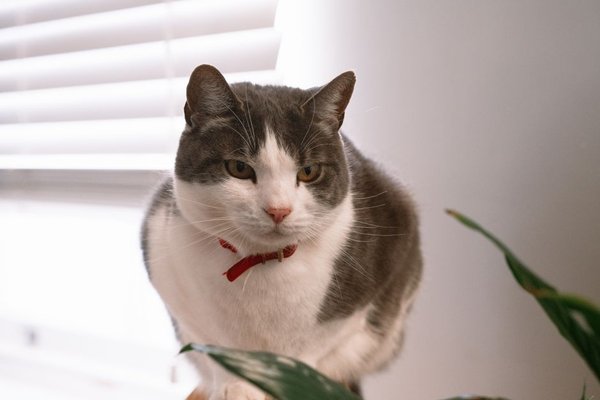

When a cat suddenly stops using the litter box, it can feel frustrating and urgent. The important thing to remember is that cats rarely do this out of spite. Litter box avoidance usually signals that something about their health, environment, or routine is not working. The sooner you identify the cause, the easier it is to prevent the behaviour from becoming a habit.
Look at the pattern. Is your cat urinating, defecating, or doing both outside the box? Are they choosing one surface or location? Did the problem begin after a change at home? These details can point towards a medical issue, box preference, stress, or territorial marking.
1. A Medical Problem Is Making Elimination Painful
Any sudden change in litter box habits should be treated as a possible health issue first. Urinary inflammation, bladder stones, constipation, diarrhoea, kidney disease, diabetes, arthritis, and other conditions can all contribute to a cat peeing outside the box.
A cat may associate the box with pain after one uncomfortable episode. Watch for repeated trips, straining, crying, small amounts of urine, blood, excessive licking, reduced appetite, or hiding. A cat straining but producing little or no urine needs immediate veterinary care, especially a male cat, because a urinary blockage can be life-threatening.
2. The Litter Box Is Too Dirty
Cats have sensitive noses and many are particular about cleanliness. Scoop urine clumps and faeces at least once or twice daily, replace litter as needed, and wash the box regularly with mild, unscented soap.
Avoid strongly fragranced disinfectants, deodorising powders, and perfumed liners. They may mask odours for people while making the box less appealing to a cat.
3. Your Cat Dislikes the Litter
A sudden switch in texture or scent can trigger litter box problems. Many cats prefer soft, fine-grained, unscented litter because it feels comfortable and supports natural digging. Pellets, crystals, perfume, or excessive dust may be rejected.
If you recently changed brands, return to the previous litter if possible. Otherwise, introduce the new product gradually. You can also place two boxes side by side with different unscented litters and see which one your cat chooses.
4. The Box Is the Wrong Size or Style
A litter box should be large enough for your cat to enter, turn, dig, and position comfortably. A useful starting point is a box about one and a half times the cat’s body length, excluding the tail.
Covered boxes may contain mess, but some cats find them cramped or unsafe. High sides can be difficult for kittens, older cats, and cats with arthritis. Try a large, uncovered box with a low entrance.
5. The Location Feels Unsafe or Inconvenient
Cats may avoid boxes beside washing machines, busy doors, food bowls, or areas where children and dogs regularly pass. A box hidden in a basement or behind a closed door may also be hard to reach.
Choose a quiet, accessible location with a clear view and easy escape route. In a multi-storey home, provide at least one box on each level. Do not place every box together, because cats may treat several trays in one room as one toileting area.
6. There Are Not Enough Litter Boxes
A common guideline is one litter box per cat, plus one extra. A two-cat household should ideally have three boxes in separate locations.
Even friendly cats may guard pathways or block access without obvious fighting. Adding boxes around the home is often one of the simplest fixes for cat behavior problems linked to household tension.
7. Stress or Routine Changes Are Affecting Your Cat
Cats rely on familiar scents, predictable schedules, and safe territory. Moving, introducing a baby or pet, changing furniture, hosting visitors, construction noise, or altering feeding times can disrupt normal litter box behaviour.
Keep routines consistent and provide hiding places, elevated resting areas, scratching surfaces, play, and quiet time. Never punish or shout at your cat. Punishment increases fear and can worsen the problem. Clean soiled areas with an enzymatic cleaner so lingering odours do not encourage repeat visits.
8. Your Cat Is Marking Territory
Urine marking is different from emptying the bladder. A marking cat often stands with the tail raised and sprays a small amount onto a vertical surface. Regular urination usually creates a larger puddle on a horizontal surface while the cat squats.
Marking may be triggered by unfamiliar cats outside, pet conflict, visitors, or changes in territory. Neutering or spaying can reduce hormonally driven marking, although altered cats may still spray when stressed. Block views of outdoor cats where practical and spread food, water, beds, and litter boxes around the home.
How to Encourage Your Cat Back to the Box
Begin with a veterinary check if the change is sudden, repeated, or accompanied by other symptoms. At home, offer large uncovered boxes, unscented litter, quiet locations, and consistent cleaning. Place an extra box near the area your cat has chosen, then move it gradually once reliable use returns.
If accidents continue, record where and when they happen, what type of waste is involved, and what was occurring at the time. This can help a veterinarian or feline behaviour professional identify patterns. Effective litter box training is less about forcing a cat into the tray and more about making it safe, clean, comfortable, and accessible.
Frequently Asked Questions
Why is my cat not using the litter box all of a sudden?
A sudden change can be caused by pain, urinary or digestive illness, stress, a dirty box, new litter, or difficulty reaching the tray. Arrange a veterinary examination, especially if your cat seems uncomfortable.
Should I punish my cat for peeing outside the box?
No. Punishment may increase anxiety, hiding, and house-soiling. Focus on medical assessment, a better litter box setup, stress reduction, and thorough cleaning.
How many litter boxes does my cat need?
A practical starting point is one box per cat plus one extra, placed in separate accessible locations.
When is litter box avoidance an emergency?
Seek urgent veterinary care if your cat repeatedly strains, cries, produces little or no urine, has blood in the urine, vomits, becomes weak, or seems severely distressed. Inability to urinate can be an emergency.
Conclusion
When asking, “Why is my cat not using the litter box?”, look beyond the accident. Your cat may be in pain, dislike the box, feel unsafe, or be responding to stress. Rule out medical causes first, then improve the number, size, cleanliness, litter, and location of the boxes. With patience and a cat-friendly setup, many cases of litter box avoidance can be resolved before they become established habits.