
Animal rescue work is often seen through the most emotional moments: a frightened dog being lifted from a roadside, a kitten wrapped in a towel, a senior pet finally sleeping in a warm bed after years of neglect. These moments matter, of course. They are the images that stay with people. But they are only the visible edge of a much larger and more complicated system.
To understand how animal rescues operate, it helps to look beyond the heartwarming photos and adoption announcements. Rescue work is a daily cycle of decisions, logistics, medical care, volunteer coordination, fundraising, paperwork, and patience. It is compassionate work, but it is also practical work. Behind every saved animal, there are people making difficult choices with limited time, limited space, and often limited money.
Animal rescues are not all the same. Some are small volunteer-run groups working from foster homes. Others have physical shelters, veterinary partnerships, transport networks, or specialized programs for certain breeds or species. Yet most rescues share the same core goal: to move vulnerable animals from danger or uncertainty into safety, care, and eventually, suitable homes.
The First Step Is Intake
Animal rescue usually begins with intake, which means the process of accepting an animal into the rescue’s care. This can happen in many ways. Some animals are found as strays. Some are surrendered by owners who can no longer keep them. Others are pulled from overcrowded shelters, rescued from neglectful situations, or transferred after emergencies such as floods, fires, or large-scale cruelty cases.
Intake is not as simple as saying yes to every animal in need. This is one of the hardest truths about rescue work. Rescues must consider available foster homes, kennel space, medical funds, staff time, and the animal’s immediate needs. A rescue that takes in more animals than it can properly care for may end up causing more harm than good.
During intake, rescuers often gather as much information as possible. They may ask about the animal’s age, health history, behavior, vaccination status, temperament, and reason for surrender. If the animal is a stray, there may be very little information at all. In those cases, the rescue starts almost from zero, observing carefully and arranging medical checks as soon as possible.
The intake stage sets the tone for everything that follows. It helps the rescue understand what the animal needs and what kind of placement may eventually be suitable.
Medical Care Comes Early
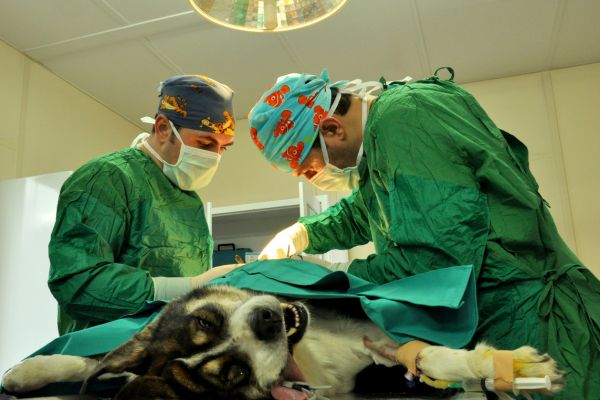
Once an animal enters rescue care, medical attention is usually one of the first priorities. Some animals need only basic vaccines, parasite treatment, and a wellness exam. Others arrive with wounds, infections, dental disease, malnutrition, broken bones, skin problems, or untreated chronic conditions.
Veterinary care can be one of the biggest expenses in animal rescue. Even routine care adds up quickly when many animals are involved. Spay and neuter surgeries, vaccinations, microchips, bloodwork, medications, emergency treatment, and follow-up visits all cost money. For rescues working with injured or elderly animals, the medical bills can become heavy very fast.
Still, this part of the process is essential. Medical care does more than treat obvious illness. It also protects other animals in the rescue’s care and gives adopters a clearer picture of the animal’s health. A rescue cannot responsibly place an animal without first understanding its basic medical condition.
In many cases, veterinary partners become a lifeline for rescue organizations. Good communication between rescuers and vets helps determine treatment plans, recovery timelines, and quality-of-life decisions when animals are seriously ill.
Foster Homes Are the Heart of Many Rescues
Many animal rescues do not have a traditional shelter building. Instead, they rely on foster homes. Foster volunteers care for animals temporarily until they are adopted. This model allows rescues to save animals without needing a large facility, but it also depends heavily on people willing to open their homes.
Foster homes give animals a calmer, more personal environment. A dog that shuts down in a kennel may relax in a living room. A cat that hides in a cage may begin to trust people when given a quiet bedroom. Puppies and kittens can receive close monitoring, feeding schedules, and socialization. Sick or recovering animals can rest away from the noise and stress of a shelter.
Fostering also provides valuable information. Foster caregivers learn how an animal behaves around people, other pets, children, household noises, routines, and basic training. This helps the rescue create a more honest adoption profile. Instead of guessing, the rescue can say whether a dog is house-trained, whether a cat enjoys being held, or whether an animal needs a quieter home.
Foster care is beautiful, but it is not always easy. It can involve mess, sleepless nights, vet visits, training challenges, and emotional goodbyes. Even so, many rescues simply could not function without foster families.
Behavior Assessment Takes Time
When people think about animal rescue, they often focus on physical safety. But emotional safety matters too. Many rescued animals arrive confused, afraid, overstimulated, or defensive. Some have had little socialization. Others have experienced neglect, rough handling, or repeated abandonment.
Behavior assessment helps rescuers understand what an animal needs before adoption. This does not mean labeling an animal too quickly. Shelter and rescue environments can change behavior. A dog that barks at strangers in a kennel may be gentle once outside. A cat that swats at first may only be scared. Rescuers must watch patterns over time, not judge from one moment.
The process may include observing how the animal responds to handling, food, leashes, other animals, strangers, children, noises, and new environments. For dogs, leash manners, resource guarding, separation anxiety, and reactivity may be considered. For cats, comfort with touch, litter box habits, hiding behavior, and social preferences may matter.
This information guides placement. Some animals are easy matches for many homes. Others need experienced adopters, no other pets, a fenced yard, or a slow introduction process. Honest behavior assessment protects both the animal and the adopter.
Volunteers Keep the Daily Work Moving
Volunteers are often the quiet engine of rescue work. They may transport animals, clean spaces, answer messages, process applications, walk dogs, socialize cats, help at adoption events, deliver supplies, take photos, write bios, manage records, or coordinate fundraisers.
In small rescues, volunteers may handle nearly everything. One person may be driving a dog to the vet in the morning, responding to adoption emails in the afternoon, and washing blankets at night. The work can be scattered and unpredictable, which is why reliability matters so much.
Good volunteer coordination is important. Rescues need clear roles, training, communication, and safety rules. Without structure, even willing volunteers can become overwhelmed or accidentally create problems. A missed transport, a forgotten medication, or unclear handling instructions can have real consequences.
When volunteers are supported properly, they expand what a rescue can do. They give animals more attention, help staff avoid burnout, and make the rescue feel connected to the community around it.
Adoption Is More Than Finding a Home
Adoption may look like the final happy chapter, but responsible rescues treat it as a careful matching process. The goal is not simply to place an animal quickly. The goal is to place the animal well.
Adoption applications often ask about housing, work schedule, past pet experience, other animals in the home, children, outdoor access, and expectations. Some people find these questions a little detailed, but they help the rescue understand whether the match is likely to succeed.
A good rescue also tells the truth about the animal. If a dog needs training, that should be said. If a cat dislikes other cats, that matters. If a rabbit needs special housing or a senior pet needs regular medication, adopters should know before committing. Honest adoption counseling prevents disappointment and reduces returns.
Meet-and-greets may be arranged, especially for dogs or homes with existing pets. Some rescues offer trial periods or post-adoption support. This does not mean every adoption is perfect immediately. Animals need time to decompress, learn routines, and trust their new people. But thoughtful placement gives everyone a better chance.
Funding Shapes What Rescues Can Do
Rescue work costs money every day. Food, litter, crates, bedding, cleaning supplies, vaccines, surgeries, medications, transport fuel, emergency care, insurance, rent, utilities, and administrative tools all add up. Even foster-based rescues have expenses, especially when medical cases are involved.
Most rescues depend on donations, adoption fees, grants, fundraising events, and community support. Adoption fees rarely cover the full cost of caring for an animal, especially if that animal needed surgery, long-term medication, or months in foster care. The fee is usually a partial contribution, not a profit.
Funding affects intake decisions, medical options, outreach, and staffing. A rescue with stable support may be able to take on more complex cases. A rescue struggling financially may have to say no, even when the need is heartbreaking.
This is one reason transparency matters. Supporters are more likely to trust rescues that communicate clearly about needs, expenses, and outcomes. Rescue work depends not only on compassion, but also on responsible management.
Recordkeeping and Communication Matter
Behind the emotional work is a surprising amount of paperwork. Rescues must track medical records, vaccination dates, microchip numbers, medications, foster notes, adoption applications, contracts, transport details, donor information, and sometimes legal documents.
Good records protect animals. They ensure medication is given correctly, adopters receive accurate health information, and follow-up care is not missed. They also help rescues stay organized when many animals are moving through different foster homes or vet clinics.
Communication is just as important. Rescues receive messages from people wanting to surrender animals, adopt pets, volunteer, donate, report strays, or ask for advice. Not every request can be answered instantly, especially in volunteer-run groups. Still, clear and respectful communication helps maintain trust.
In many ways, the unseen administrative work is what keeps the visible rescue work from falling apart.
Rescue Work Includes Difficult Decisions
The public often sees the success stories, but rescue workers also face painful choices. They may have to turn away animals when there is no space. They may have to decide how much treatment is fair for a severely ill animal. They may handle adoption returns, emergency calls, burnout, criticism, or grief.
Not every animal can be saved in the way people hope. Not every case has a neat ending. Responsible rescue work requires both compassion and judgment. It means caring deeply while also recognizing limits.
This is one of the reasons rescue communities need emotional support as much as financial support. The work can be heavy. People who do it for years often carry stories that are hard to forget. Yet many continue because they also witness remarkable recoveries, gentle transformations, and the quiet joy of animals finding homes.
Conclusion
Understanding how animal rescues operate reveals a world far more complex than the adoption photos we see online. Rescue is intake, medical care, fostering, behavior assessment, cleaning, transport, fundraising, paperwork, communication, and careful adoption placement. It is early mornings, late-night messages, difficult decisions, and small victories that may never become public stories.
At its best, animal rescue is a bridge. It carries animals from uncertainty toward safety, and from survival toward trust. That bridge is built by many hands: veterinarians, fosters, volunteers, donors, adopters, transporters, and staff members who keep going even when the work is hard.
Behind every rescued animal is a chain of people who chose to care in practical ways. And that is what makes animal rescue so powerful. It is not just emotion. It is compassion turned into daily action.