
Wildlife conservation often begins with a simple feeling: the sense that wild animals and natural places should not disappear quietly while the world looks away. A forest without birdsong, an ocean without turtles, a grassland without big cats, or a river without fish would not only feel empty; it would be a sign that something important in nature has been broken.
This is where Wildlife conservation organizations become important. These groups work to protect animals, restore habitats, support research, fight illegal wildlife trade, and help communities live more safely alongside nature. Some operate across the world, while others focus on a single forest, species, coastline, or local ecosystem. Their work may happen in remote jungles, government offices, rescue centers, schools, research labs, or small villages near protected areas.
At their best, wildlife conservation organizations act as bridges between science, public awareness, local communities, and real-world protection. They help turn concern into action.
What Wildlife Conservation Organizations Do
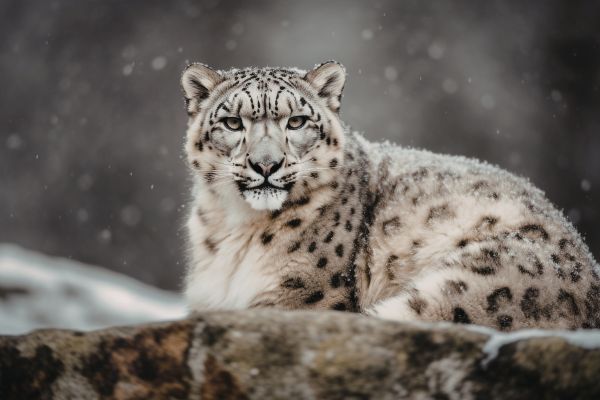
Wildlife conservation organizations work in many different ways, but their main goal is usually the same: to protect wild species and the habitats they depend on. Some groups focus on endangered animals such as tigers, elephants, rhinos, gorillas, sea turtles, or snow leopards. Others protect entire ecosystems, including forests, wetlands, coral reefs, deserts, rivers, and grasslands.
Their work can include scientific research, field monitoring, habitat restoration, rescue and rehabilitation, anti-poaching support, environmental education, and policy guidance. In some areas, these organizations help train local rangers. In others, they work with farmers, fishers, schools, and community leaders to reduce conflict between people and wildlife.
Conservation is rarely simple. Saving one animal often means protecting its food sources, breeding grounds, migration routes, and surrounding environment. That is why many organizations do not only look at a single species. They study the whole web of life around it.
Why Their Work Matters
The decline of wildlife is not just sad; it is a warning. When animals disappear, ecosystems can become weaker and less balanced. Predators help control prey populations. Pollinators support plant growth and food production. Scavengers clean the environment. Marine animals help maintain ocean health. Even creatures that seem small or ordinary often play roles that are easy to overlook.
Wildlife conservation organizations help protect these natural relationships. Their efforts can prevent species from slipping closer to extinction, but they also protect the systems that support clean air, fresh water, fertile soil, and climate stability.
There is also a human side. Many communities depend on healthy ecosystems for food, farming, tourism, culture, and daily life. When nature is damaged, people often feel the effects too. Good conservation recognizes this connection. It does not treat wildlife and people as separate worlds. It tries to find a healthier balance between them.
Types of Wildlife Conservation Organizations
Not all conservation groups work in the same way. Some are large international organizations with projects in many countries. These groups may influence global policy, fund major research, and support large-scale habitat protection.
There are also regional and local organizations that focus deeply on one area. A small group protecting sea turtles on a specific beach may understand that coastline better than anyone else. A community-based forest organization may know exactly where wildlife crossings, nesting areas, or illegal hunting risks are found.
Some organizations are research-driven. They collect data, track animal populations, study migration, and publish findings that guide protection efforts. Others are more hands-on, running rescue centers, planting native trees, treating injured animals, or supporting ranger patrols.
Each type has value. Large organizations can bring resources and global attention. Local organizations bring daily knowledge, trust, and long-term presence. Effective conservation often happens when both work together.
Protecting Endangered Species
One of the most visible roles of wildlife conservation organizations is protecting endangered species. These are animals at serious risk of extinction in the wild. Their survival may depend on urgent action, especially when populations are already very small.
For example, organizations may monitor nesting beaches for sea turtles, protect rhino habitats from poaching, support anti-trafficking efforts for pangolins, or help restore forests for orangutans. In the case of big cats, conservation groups may use camera traps, GPS collars, and field surveys to understand where animals live and how they move.
Endangered species protection often requires patience. Some animals reproduce slowly, and population recovery may take decades. Progress can be fragile. A disease outbreak, sudden habitat loss, illegal hunting, or climate event can undo years of work. This is why long-term commitment matters more than quick attention.
Habitat Restoration and Protection
Wild animals cannot survive without suitable places to live. That sounds obvious, but it is one of the most important truths in conservation. A species cannot recover if its forest is gone, its river is polluted, or its migration path is blocked.
Wildlife conservation organizations often work to protect habitats before they are lost completely. This may involve supporting protected areas, restoring damaged land, replanting native vegetation, removing invasive species, cleaning waterways, or helping create wildlife corridors. Corridors are especially important because they allow animals to move between separated habitats.
Habitat restoration can look quiet compared with dramatic animal rescues, but it is powerful. A restored wetland can bring back birds, fish, insects, amphibians, and plants. A protected forest can support mammals, reptiles, fungi, and countless small organisms that keep the ecosystem alive. When a habitat heals, many species benefit at once.
Fighting Illegal Wildlife Trade
Illegal wildlife trade is one of the most serious threats to many animals. Some species are hunted for tusks, horns, scales, skins, feathers, meat, or the exotic pet market. This trade can push already vulnerable animals closer to extinction.
Wildlife conservation organizations help fight this problem in several ways. They may support stronger law enforcement, train rangers, raise awareness among buyers, care for rescued animals, and help track trafficking routes. Some also work with governments and international agencies to improve laws and reduce demand for wildlife products.
The issue is complicated because illegal trade is often linked to poverty, organized crime, weak enforcement, and global demand. A lasting solution requires more than punishment. It also requires education, economic alternatives, and a cultural shift away from treating wild animals as luxury items, status symbols, or souvenirs.
Working with Local Communities
Conservation works best when local communities are respected and included. People who live near wildlife often experience the challenges directly. Elephants may damage crops. Big cats may attack livestock. Protected areas may affect access to land or resources. If conservation ignores these realities, resentment can grow.
Many wildlife conservation organizations now focus on community-based conservation. This approach recognizes that local people are not obstacles to conservation; they are essential partners. Organizations may support education, sustainable farming, wildlife-friendly livelihoods, compensation programs, or training for local guides and rangers.
When communities benefit from healthy ecosystems, wildlife protection becomes more practical. A forest is more likely to be protected when people see value in keeping it alive. A predator is more likely to survive when livestock owners have support and fair solutions. Conservation becomes stronger when it is built with people, not forced upon them.
Wildlife Rescue and Rehabilitation
Some organizations care for animals that have been injured, orphaned, trafficked, or displaced. Rescue and rehabilitation work can involve veterinary care, feeding, shelter, behavioral recovery, and, when possible, release back into the wild.
This work is emotionally powerful, but it is also difficult. Not every animal can safely return to the wild. Some have injuries that prevent survival. Others have spent too much time around humans. In those cases, sanctuaries may provide lifelong care.
Rescue centers also help educate the public. Seeing the consequences of illegal pet trade, habitat destruction, or human-wildlife conflict can make conservation feel more immediate. Still, rescue is only one part of the larger picture. The deeper goal is to reduce the reasons animals need rescuing in the first place.
Research and Monitoring
Good conservation depends on good information. Wildlife conservation organizations often collect data to understand animal populations, breeding success, threats, movement patterns, and habitat conditions. Without this research, protection efforts can become guesswork.
Modern conservation uses many tools, including camera traps, satellite tracking, acoustic monitoring, drones, genetic testing, and field surveys. But it also relies on patient observation and local knowledge. A ranger’s experience, a community member’s report, or a long-term field notebook can be just as valuable as advanced technology.
Research helps answer important questions. Are animal numbers increasing or falling? Which areas need protection most urgently? Are conservation efforts working? What new threats are appearing? These answers help organizations make better decisions and use limited resources wisely.
Education and Public Awareness
Many people care about wildlife but do not always understand the pressures animals face. Education helps close that gap. Wildlife conservation organizations often create school programs, public campaigns, field workshops, documentaries, reports, and community events to explain why nature matters.
Awareness is not only about facts. It is also about connection. A child who learns about local birds may grow into an adult who values green spaces. A traveler who understands responsible wildlife viewing may avoid harmful attractions. A consumer who learns about deforestation may make more thoughtful choices.
Education turns distant problems into something people can understand. It gives conservation a wider base of support.
How to Recognize Responsible Conservation Work
Not every group using the language of conservation works with the same level of care. Responsible wildlife conservation organizations tend to focus on science, transparency, animal welfare, local partnerships, and long-term impact. They avoid treating animals as props or using fear-based messages without offering meaningful context.
A thoughtful organization explains what it does, why it matters, and how its work supports wildlife and habitats. It respects local communities and does not promote close contact with wild animals for entertainment. It understands that conservation is not only about dramatic images but also about patient, sometimes unglamorous work.
The best conservation efforts are practical, ethical, and rooted in respect for both nature and people.
Conclusion
Wildlife conservation organizations play a vital role in protecting the living world. They help defend endangered species, restore damaged habitats, support scientific research, fight illegal wildlife trade, rescue animals in crisis, and build stronger relationships between people and nature.
Their work reminds us that wildlife protection is not a single act. It is a continuous effort shaped by patience, knowledge, cooperation, and care. Every forest protected, every animal monitored, every community included, and every habitat restored becomes part of a larger story of survival.
In the end, conservation is not only about saving animals from disappearing. It is about learning how to share the planet more wisely. Wildlife conservation organizations help guide that effort, but the responsibility belongs to all of us. Nature’s future depends on how seriously we choose to protect it today.