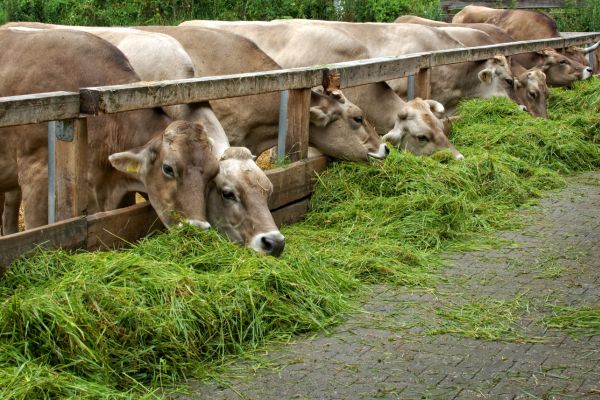

Animal husbandry has always been tied to human survival. For thousands of years, people have raised livestock for food, fiber, labor, manure, and income. But modern agriculture now faces a more complex challenge than simply producing enough. Farmers must also think about land health, water use, animal welfare, climate pressure, biodiversity, and long-term economic resilience.
That is where sustainable animal husbandry becomes increasingly important. It is not one rigid method or fashionable slogan. It is the practical effort to raise animals in ways that protect natural resources, support healthy livestock, and remain viable for farming communities over time.
The strongest systems are usually built on balance: productive enough to sustain livelihoods, careful enough to preserve ecosystems, and humane enough to respect the animals within them.
What Sustainable Animal Husbandry Means
At its core, sustainable animal husbandry focuses on meeting today’s production needs without damaging the ability of future generations to farm successfully.
That involves several connected goals. Soil should remain fertile. Water should be protected. Animals should be managed responsibly. Inputs should be efficient. Waste should be reduced. Farms should remain economically workable rather than dependent on fragile short-term gains.
Sustainability is often misunderstood as low productivity or anti-technology. In reality, it frequently depends on smart management, good science, and careful observation.
The best farms are often both practical and thoughtful.
Animal Welfare as a Foundation
Healthy animals usually perform better, reproduce better, and require fewer emergency interventions. That makes welfare both an ethical issue and a management issue.
Adequate space, clean housing, protection from extreme weather, proper nutrition, access to water, and reduced stress all matter. Animals living in chronically poor conditions are more vulnerable to disease and lower productivity.
Good welfare also includes calm handling. Fear and rough treatment can cause injury, poor growth, and unnecessary suffering.
In many systems, sustainable animal husbandry begins with recognizing that animal well-being is central, not optional.
Better Feeding Strategies
Feed is one of the largest costs and environmental factors in livestock production. Smarter feeding practices can improve efficiency while reducing waste.
Balanced diets matched to species, age, and production stage help animals convert feed more effectively. Overfeeding some nutrients wastes money and can increase pollution. Underfeeding harms health and performance.
Using local forage resources where appropriate, improving pasture quality, preserving hay correctly, and reducing feed spoilage are all practical steps.
Some farms also integrate crop residues or by-products safely and efficiently, turning waste streams into useful inputs.
Rotational Grazing and Pasture Management
Poor grazing management can degrade land quickly. Overgrazed pasture loses plant diversity, weakens soil cover, increases erosion risk, and becomes less productive over time.
Rotational grazing offers one solution. Animals move between paddocks, allowing grazed areas time to recover. When done well, this can improve pasture regrowth, manure distribution, and forage quality.
It also encourages farmers to observe land conditions more closely.
Not every farm can implement the same grazing model, but active pasture management is often a key feature of sustainable animal husbandry systems.
Soil Health and Livestock
Healthy soil supports healthy forage, and healthy forage supports healthy animals. The relationship is direct.
Livestock can contribute positively to soil systems when managed wisely. Manure returns nutrients. Managed grazing can stimulate plant growth. Mixed crop-livestock systems may recycle nutrients efficiently.
However, mismanagement can compact soil, pollute waterways, or strip vegetation cover.
That is why sustainability is rarely about animals alone. It is about the land beneath them.
Water Use and Protection
Livestock need reliable water, but water stewardship goes beyond troughs and tanks.
Runoff from poorly managed manure storage or heavily concentrated animal areas can affect streams, ponds, or groundwater. Overuse of scarce water resources can strain communities and ecosystems.
Practical improvements may include leak prevention, efficient watering systems, shade to reduce waste, runoff control, and strategic placement of water points in grazing systems.
In dry regions especially, water planning becomes central to long-term resilience.
Responsible Health Management
Disease outbreaks are costly, stressful, and sometimes devastating. Preventive health care is therefore one of the smartest sustainability tools available.
Vaccination programs, biosecurity, quarantine of new animals, clean housing, parasite management, and routine monitoring all reduce risk.
Responsible use of medications also matters. Overuse of antibiotics or poor treatment practices can create wider problems, including resistance concerns.
Strong sustainable animal husbandry often relies on prevention first, treatment second.
Breeding for Resilience, Not Only Maximum Output
For many years, some production systems focused heavily on maximum growth, highest yield, or rapid gain. While productivity matters, single-trait selection can create weaknesses.
Animals bred for resilience, fertility, mothering ability, longevity, disease tolerance, and adaptation to local climate may serve farms better over time.
A high-output animal that struggles with heat stress, poor fertility, or constant health issues may be less sustainable than a slightly lower-producing but hardier one.
Long-term thinking often changes breeding priorities.
Waste Management and Nutrient Recycling
Manure is often viewed as a problem when unmanaged and a resource when managed well.
Stored and applied correctly, manure can fertilize crops, improve soil organic matter, and reduce dependence on synthetic inputs in some systems. Applied poorly, it may create odor issues, nutrient runoff, and water contamination.
Timing, storage methods, application rates, and land capacity all matter.
Waste reduction in livestock systems usually means transforming by-products into value rather than ignoring them.
Energy and Farm Efficiency
Modern farms also consider energy use. Efficient lighting, improved ventilation systems, solar pumps, insulation, better equipment maintenance, and smarter transport planning can lower costs and environmental impact.
These changes may seem small individually, but cumulative gains matter.
Sustainability often grows through dozens of practical adjustments rather than one dramatic overhaul.
Economic Sustainability Matters Too
A farm that cannot remain financially stable is not truly sustainable. Producers need fair returns, manageable costs, access to markets, and resilience against shocks such as drought, disease, or feed price spikes.
This is sometimes forgotten in idealistic conversations.
Farmers cannot maintain soil health, infrastructure, or animal care standards if the business continually loses money.
Strong systems support both ecology and livelihoods.
Consumer Expectations Are Changing
Many consumers increasingly ask where food comes from and how animals are raised. They care about welfare, environmental impact, transparency, and local sourcing.
That pressure can encourage positive change, though it can also create unrealistic assumptions about farming realities.
Constructive progress happens when consumers, producers, researchers, and policymakers understand one another better.
No Single Model Fits Every Region
What works in a rainy grassland region may fail in an arid landscape. Intensive dairy systems, mixed family farms, nomadic herding traditions, and regenerative grazing operations all face different realities.
Climate, culture, economics, land access, breed types, labor availability, and infrastructure shape decisions.
That is why sustainable animal husbandry should be guided by principles rather than one universal template.
Conclusion
Sustainable animal husbandry is ultimately about stewardship. It asks farmers to care not only for animals, but for soil, water, biodiversity, and the long-term future of the farm itself. It values welfare, efficiency, resilience, and practical wisdom over short-term extraction.
The path forward will differ from one region to another, but the direction is clear. Agriculture must produce food while protecting the systems that make food production possible.
When animals are managed thoughtfully and land is respected, farming becomes more than output. It becomes continuity.